

Belonging

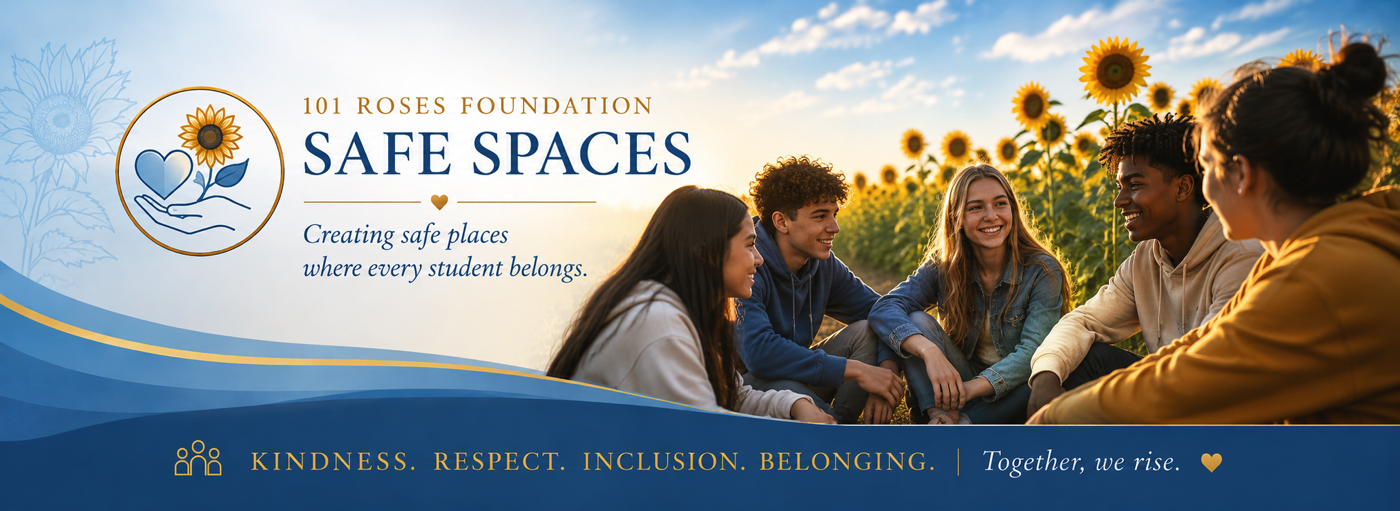
Every young person deserves to feel that they belong. A sense of belonging helps students feel accepted, connected, valued, and supported within their school, friendships, family, and community.
Why Belonging Matters
Belonging is a fundamental part of student wellbeing. When young people feel accepted and connected, they are more likely to participate, build healthy relationships, develop confidence, and engage positively in school and community life.
Feeling disconnected or isolated can have the opposite effect, making it more difficult for students to engage, learn, and develop meaningful relationships.
What Belonging Looks Like
Belonging can look different for every student, but common signs include feeling welcomed, having trusted relationships, participating in activities, feeling respected, and knowing that your voice matters.
Students do not need to fit into a particular group or social circle to belong. Healthy communities make space for different personalities, interests, backgrounds, and experiences.
Barriers to Belonging
Some students may face challenges that affect their sense of belonging. Bullying, exclusion, discrimination, social anxiety, moving to a new school, language barriers, disability, family circumstances, or major life changes can all make it more difficult to feel connected.
Recognizing these challenges is an important step toward building more supportive and inclusive environments.
Building Connection
Small actions can make a significant difference. Introducing yourself to someone new, inviting others to join activities, participating in clubs or teams, showing kindness, and reaching out to classmates who may feel isolated all help strengthen community connections.
Belonging is built through everyday interactions and a culture where people feel welcomed and respected.
How Adults Can Help
Parents, caregivers, educators, coaches, and community leaders all play a role in helping young people feel that they belong. Encouraging participation, creating inclusive environments, listening respectfully, and recognizing individual strengths can help students feel valued and connected.
Belonging & Student Wellbeing
A strong sense of belonging supports student wellbeing, confidence, resilience, and healthy relationships. When students feel connected to their school and community, they are more likely to seek help when needed and participate positively in learning and social activities.
Building belonging also helps strengthen allyship, inclusion, empathy, and respectful relationships within schools and communities.
Trusted Resources & Support
Creating a sense of belonging requires ongoing effort from students, families, educators, schools, and communities. Every positive interaction can help someone feel seen, valued, and included.
For additional wellbeing resources and support in Ukraine, visit How Are You? (Ти як?), a national mental health initiative supporting emotional wellbeing and open conversations.
Belonging FAQ
Why is belonging important for students?
Belonging helps students feel accepted, connected, respected, and supported. It contributes to confidence, wellbeing, learning, and healthy relationships.
What can affect a student’s sense of belonging?
Bullying, exclusion, discrimination, social anxiety, major life changes, language barriers, and difficulties forming relationships can all affect a student’s sense of belonging.
How can schools help students feel they belong?
Schools can promote belonging by creating welcoming environments, encouraging participation, supporting inclusion, addressing bullying, and fostering positive relationships.
How does belonging support student wellbeing?
Students who feel they belong are more likely to engage in learning, build healthy friendships, seek help when needed, and develop confidence and resilience.
Continuing the Conversation
Belonging is closely connected to inclusion, allyship, healthy relationships, and student wellbeing. Building stronger communities begins with creating spaces where everyone feels welcome and valued.