

Allyship

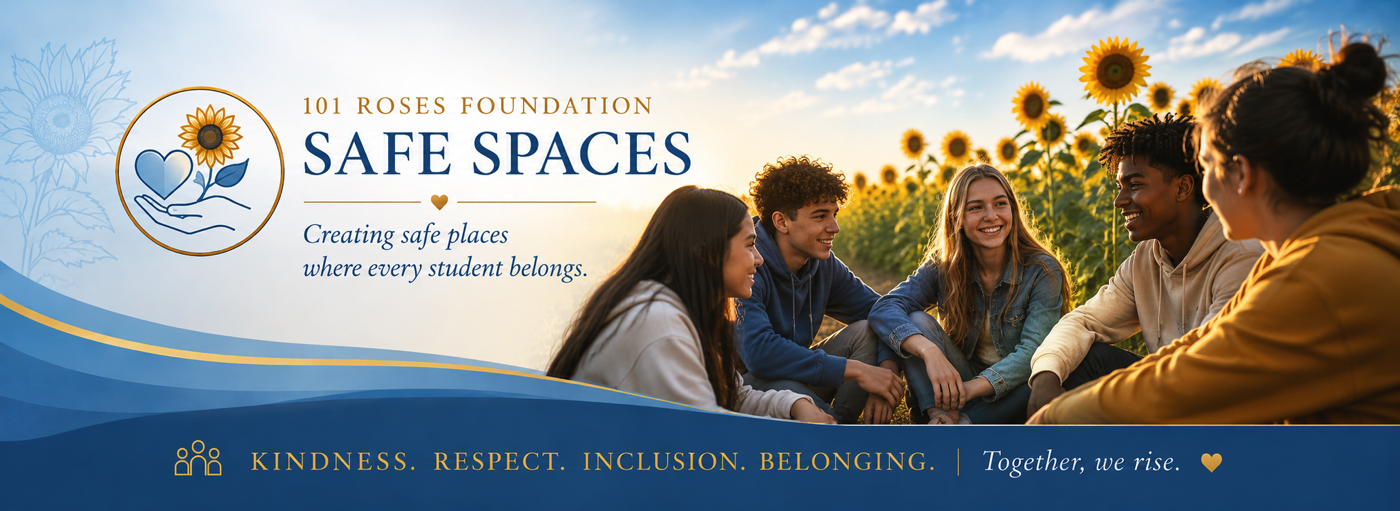
Allyship is the practice of supporting others, standing against unfair treatment, and helping create environments where everyone feels respected, included, and valued. Small acts of kindness and support can make a meaningful difference in the lives of others.
What Is Allyship?
Allyship means choosing to support others, especially when someone is being excluded, treated unfairly, or made to feel that they do not belong. It involves empathy, respect, and a willingness to help create positive change.
Allyship is not about being perfect. It is about making intentional choices that help others feel seen, heard, and supported.
Why Allyship Matters
Young people are influenced by the actions of those around them. When students, educators, families, and community members actively support one another, they help create environments where kindness, inclusion, and belonging become part of everyday life.
Allyship strengthens communities by helping people feel safer, more connected, and more confident in being themselves.
Small Actions Can Have a Big Impact
Allyship is often expressed through simple everyday actions. Inviting someone to join a group, including others in conversations, listening respectfully, checking in on a classmate, or showing support when someone is struggling can have a lasting impact.
Small gestures of kindness often help build stronger connections and a greater sense of belonging.
Speaking Up Respectfully
There may be times when allyship involves speaking up when someone is being treated unfairly, excluded, or targeted. This does not mean creating conflict. It means responding respectfully, supporting those affected, and seeking help from trusted adults when needed.
Courage and kindness often work best when they work together. Speaking up can also support bullying prevention by helping reduce silence around harmful behaviour.
Allyship and Belonging
One of the strongest ways to help someone feel that they belong is to ensure they are included. Allyship helps build communities where differences are respected and where everyone has opportunities to participate, contribute, and feel valued.
Belonging grows when people actively make room for others.
Learning and Growing
Allyship is a skill that develops over time. Learning from experiences, listening to different perspectives, asking questions respectfully, and remaining open to growth can help people become more effective allies within their schools and communities.
Creating Communities of Support
Healthy communities are built when people look out for one another. Allyship encourages kindness, empathy, inclusion, and respect while helping create environments where everyone feels welcome and supported.
Supportive communities strengthen student wellbeing by helping young people feel seen, valued, and protected.
Trusted Resources & Support
Allyship is part of creating safer, kinder, and more inclusive environments for young people. It works best when students, families, educators, and communities all help build cultures of respect and support.
For additional wellbeing resources and support in Ukraine, visit How Are You? (Ти як?), a national mental health initiative supporting emotional wellbeing and open conversations.
Allyship FAQ
What is allyship?
Allyship is the practice of supporting others, standing against unfair treatment, and helping create environments where people feel respected, included, and valued.
Why is allyship important for students?
Allyship helps students feel less alone, strengthens belonging, supports inclusion, and encourages school communities where kindness and respect are part of everyday life.
How can students practice allyship?
Students can practice allyship by including others, listening respectfully, checking in on classmates, refusing to join harmful behaviour, and seeking help when someone is being treated unfairly.
How does allyship support student wellbeing?
Allyship supports student wellbeing by helping young people feel seen, supported, included, and connected to their school and community.
Related Topics
Allyship is closely connected to belonging, diversity, equity and inclusion, bullying prevention, conflict resolution, and student wellbeing. Together, these concepts help create stronger and more supportive communities.