

Bullying Prevention

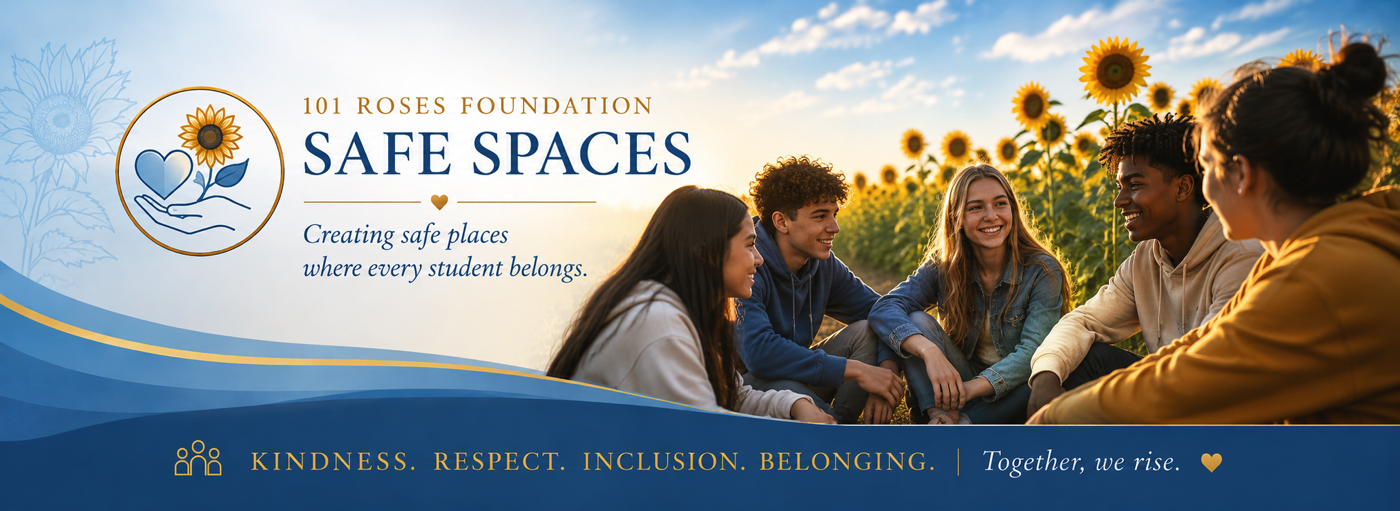
Every young person deserves to feel safe, respected, included, and valued. Bullying prevention is not only about responding to harmful behaviour—it is about creating school communities where kindness, empathy, belonging, and respect become the norm.
What Is Bullying?
Bullying involves repeated behaviour intended to harm, intimidate, exclude, embarrass, or exert power over another person. It can take many forms, including verbal, social, physical, and online behaviour.
While disagreements and conflicts happen in everyday life, bullying involves an ongoing pattern that negatively affects another person’s wellbeing, safety, or sense of belonging.
Why Prevention Matters
Preventing bullying is often more effective than responding after harm has already occurred. Schools, families, and communities that focus on belonging, inclusion, empathy, and healthy relationships help reduce the conditions in which bullying is more likely to develop.
Prevention creates safer environments for everyone—not just those directly affected by bullying.
Effective bullying prevention supports student wellbeing, strengthens school culture, and encourages young people to feel safe speaking up when they need support.
Recognizing the Signs
Students experiencing bullying may show changes in mood, confidence, attendance, participation, friendships, or behaviour. Some young people may become withdrawn, anxious, reluctant to attend school, or hesitant to participate in activities they once enjoyed.
Recognizing concerns early can help ensure that support is provided before situations become more serious.
Building Positive School Communities
Strong school communities encourage kindness, respect, inclusion, and accountability. When students feel connected and valued, they are more likely to support one another and less likely to engage in harmful behaviour.
Positive school culture is one of the most effective forms of bullying prevention.
The Role of Bystanders
Most students will witness bullying at some point. Bystanders can have a powerful influence on school culture through their choices, actions, and willingness to support others.
Reporting concerns, including others, showing support, and seeking help from trusted adults are important ways students can contribute to safer communities.
Working Together
Effective bullying prevention requires collaboration between students, families, educators, schools, and communities. Everyone has a role in helping create environments where young people feel safe, supported, and respected.
Trusted Resources & Support
Bullying prevention works best when schools, families, students, and communities work together to create environments built on respect, inclusion, safety, and communication.
For additional wellbeing resources and support in Ukraine, visit How Are You? (Ти як?), a national mental health initiative supporting emotional wellbeing and open conversations.
Bullying Prevention FAQ
What is bullying?
Bullying is repeated behaviour intended to harm, intimidate, exclude, embarrass, or exert power over another person. It may be verbal, social, physical, or online.
Why is bullying prevention important?
Bullying can affect wellbeing, confidence, relationships, learning, and a student’s sense of safety. Prevention helps create healthier and more supportive environments for everyone.
What can students do if they witness bullying?
Students can support others, include those who may be isolated, report concerns, and seek help from trusted adults when they witness harmful behaviour.
How can schools help prevent bullying?
Schools can help prevent bullying by promoting belonging, inclusion, respectful relationships, clear expectations, and early intervention when concerns arise.
Related Topics
Bullying prevention is closely connected to belonging, inclusion, allyship, conflict resolution, and student wellbeing. Building stronger communities helps reduce harmful behaviour while strengthening positive relationships.