

Diversity Equity and Inclusion

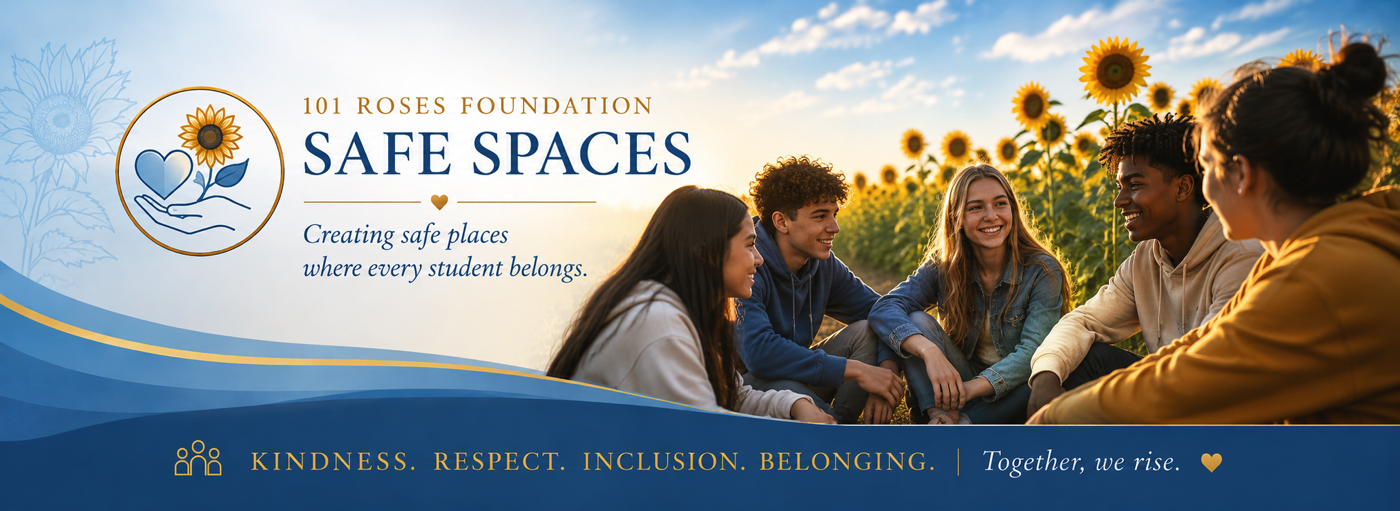
Every student deserves to feel respected, included, and valued. Diversity, equity, and inclusion help create learning environments where differences are recognized, barriers are reduced, and all young people have opportunities to participate, contribute, and succeed.
Understanding Diversity
Diversity reflects the many ways people are unique. Students bring different backgrounds, cultures, languages, experiences, abilities, interests, identities, perspectives, and life stories into schools and communities.
Diversity strengthens communities by encouraging learning, understanding, creativity, and new perspectives.
Understanding Equity
Equity recognizes that students do not all begin from the same place. Some young people may face barriers related to circumstances, opportunities, accessibility, language, learning differences, family situations, or other factors.
Equity focuses on providing support and opportunities that help students access the resources they need to participate fully and reach their potential.
Understanding Inclusion
Inclusion means creating environments where everyone feels welcome, respected, and able to participate. Inclusion goes beyond simply being present—it involves ensuring that people feel accepted, heard, and valued.
Inclusive communities recognize differences as strengths and encourage meaningful participation from everyone.
Neurodiversity and Different Ways of Learning
Students learn, communicate, process information, and experience the world in different ways. Neurodiversity recognizes that neurological differences are a natural part of human diversity.
Creating supportive and flexible environments helps ensure that all students have opportunities to learn, participate, and contribute according to their strengths.
Everyday Inclusion
Inclusion often begins with simple actions. Welcoming someone into a conversation, inviting a classmate to join an activity, respecting different perspectives, and showing kindness can help create stronger and more supportive communities.
Small actions often have a lasting impact on how people experience belonging.
Diversity, Equity & Inclusion and Student Wellbeing
Diversity, equity, and inclusion support student wellbeing by helping young people feel respected, valued, and able to participate fully in school and community life. When barriers are reduced and differences are recognized, students are more likely to feel safe, connected, and supported.
These principles also strengthen allyship, belonging, empathy, and positive relationships.
Trusted Resources & Support
Creating inclusive communities requires ongoing effort from students, families, educators, and community members. Respect, understanding, accessibility, and support help ensure that everyone has opportunities to participate and thrive.
For additional wellbeing resources and support in Ukraine, visit How Are You? (Ти як?), a national mental health initiative supporting emotional wellbeing and open conversations.
Diversity, Equity & Inclusion FAQ
What is diversity?
Diversity refers to the many ways people are different, including backgrounds, cultures, languages, abilities, experiences, interests, and perspectives.
What is equity?
Equity recognizes that people may face different barriers and need different types of support to access opportunities and participate fully.
What is inclusion?
Inclusion means creating environments where people feel welcomed, respected, valued, and able to participate meaningfully.
How do diversity, equity and inclusion support students?
Diversity, equity and inclusion help students feel respected, supported, connected, and able to succeed while strengthening belonging and student wellbeing.
Creating Communities Where Everyone Belongs
Diversity, equity, and inclusion are closely connected to belonging, allyship, respect, and student wellbeing. Healthy communities are built when people recognize differences, remove barriers, and create opportunities for everyone to participate and thrive.