

For Educators

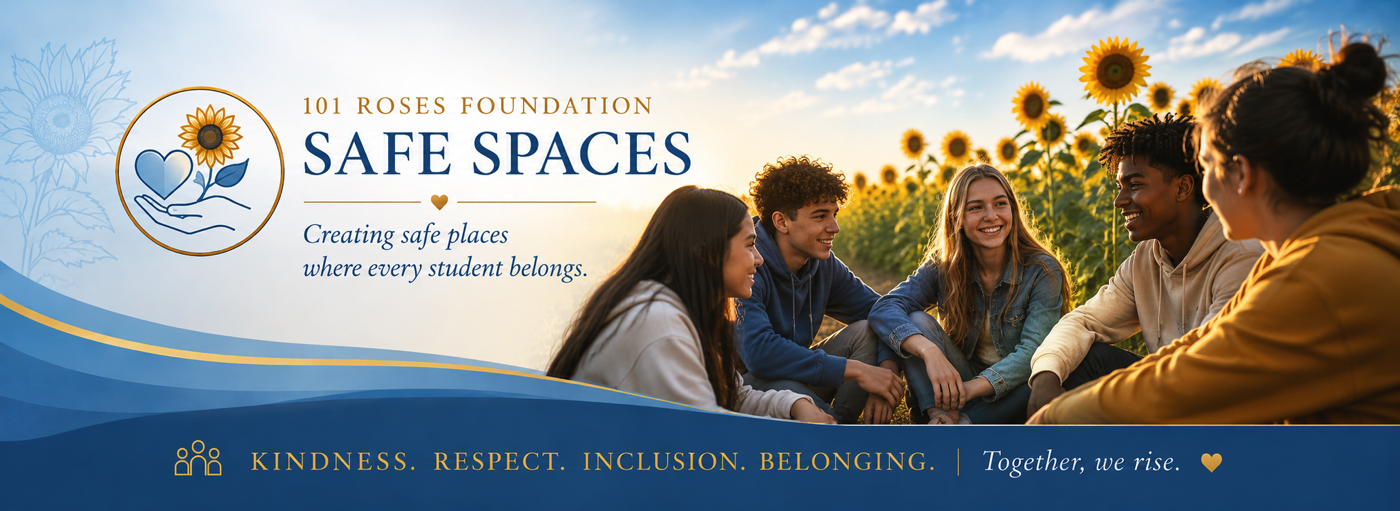
Educators play a critical role in shaping school culture, fostering belonging, supporting student wellbeing, and creating learning environments where every young person feels safe, respected, included, and valued.
Creating a Culture of Belonging
Students are more likely to engage, participate, and succeed when they feel they belong. Small daily actions, inclusive classroom practices, respectful communication, and positive relationships can have a significant impact on how safe and connected students feel at school.
A strong sense of belonging supports attendance, engagement, wellbeing, and academic success.
Supporting Diverse Learners
Every classroom includes students with different strengths, challenges, experiences, cultures, identities, and learning needs. Creating flexible, supportive, and inclusive learning environments helps ensure all students have opportunities to participate, contribute, and thrive.
Effective inclusion recognizes that students may require different pathways and supports to achieve success.
Neurodiversity and Inclusive Practice
Neurodiversity recognizes that people learn, process information, communicate, and experience the world in different ways. Inclusive educational practices help ensure that students with diverse learning profiles have opportunities to participate meaningfully and demonstrate their strengths.
Flexible teaching approaches, accessibility, clear expectations, and supportive relationships can help create environments where all learners feel valued.
Responding to Bullying and Exclusion
Bullying, exclusion, and social conflict can affect student wellbeing, learning, attendance, and confidence. Effective responses focus on safety, accountability, relationship-building, and helping students develop healthier ways of interacting with one another.
Consistent expectations and early intervention can help prevent situations from escalating.
Digital Citizenship and Online Behaviour
The digital world is now part of students’ daily lives. Educators can help students develop responsible online habits, understand the impact of their actions, recognize misinformation, protect privacy, and communicate respectfully in digital environments.
Digital citizenship education helps students navigate online spaces safely and responsibly.
Supporting Student Wellbeing
Student wellbeing extends beyond academic achievement. Emotional safety, healthy relationships, belonging, confidence, and access to support all contribute to a student’s ability to learn, grow, and participate successfully in school life.
Schools are often among the most important protective environments in a young person’s life.
Partnering With Families and Communities
Strong partnerships between schools, families, and communities create better outcomes for students. Open communication, shared understanding, and collaborative problem-solving help build supportive environments both inside and outside the classroom.
Trusted Resources & Support
Educators benefit from access to reliable research, evidence-informed practices, professional learning opportunities, and trusted wellbeing resources.
For additional wellbeing resources and support in Ukraine, visit How Are You? (Ти як?), a national mental health initiative supporting emotional wellbeing and open conversations.
For Educators FAQ
Why is belonging important in schools?
Students who feel they belong are more likely to engage in learning, participate positively, build healthy relationships, and experience stronger wellbeing.
How can educators support neurodiverse learners?
Educators can support neurodiverse learners through flexible teaching approaches, accessibility, clear communication, positive relationships, and inclusive classroom practices.
What role do educators play in bullying prevention?
Educators help establish expectations, model respectful behaviour, respond to concerns, and create classroom environments where bullying is less likely to occur.
How does student wellbeing affect learning?
Emotional safety, belonging, healthy relationships, and access to support all contribute to a student’s ability to learn, participate, and succeed.
Explore Student Wellbeing Resources
Continue exploring Safe Spaces resources covering belonging, diversity, equity and inclusion, bullying prevention, cyberbullying, conflict resolution, allyship, digital citizenship, and student wellbeing.