

For Parents

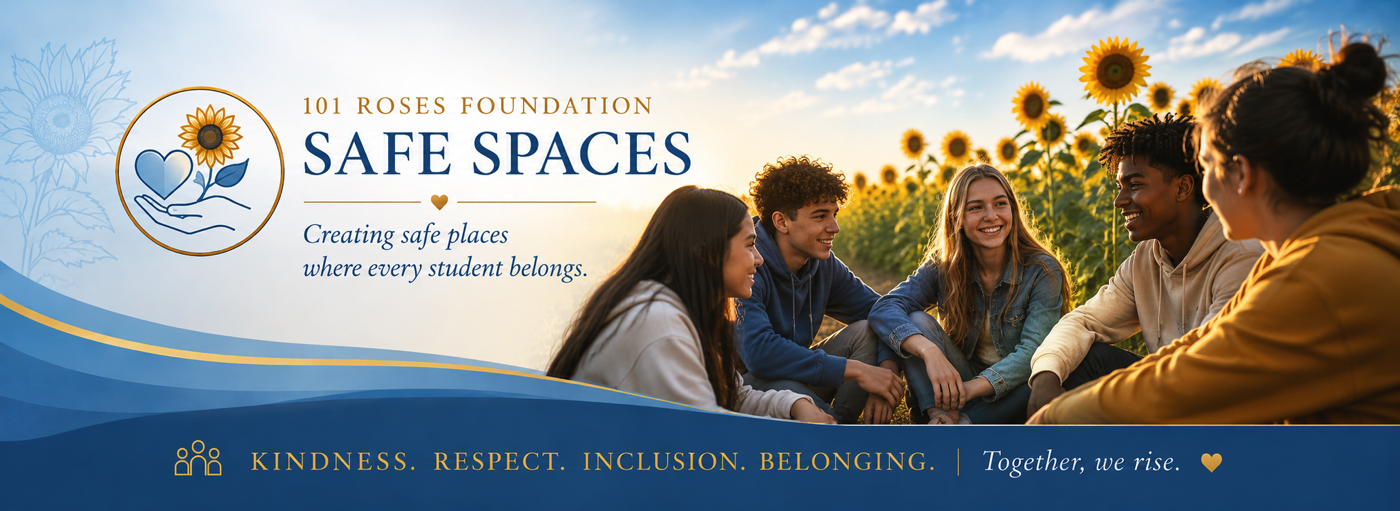
Parents and caregivers play an important role in helping young people feel safe, supported, respected, and included. Safe Spaces provides guidance to help families recognize challenges, strengthen communication, support student wellbeing, and work with schools when concerns arise.
Understanding What Your Child May Be Experiencing
Young people may not always know how to explain what they are feeling. Changes in mood, behaviour, friendships, school engagement, online activity, or confidence may be signs that something is affecting their sense of safety or belonging.
Paying attention to patterns and maintaining open communication can help parents recognize concerns early.
Creating Open Conversations at Home
Children and teens are more likely to ask for help when they feel heard rather than judged. Calm conversations, patient listening, and open-ended questions can help young people share concerns about friendships, exclusion, bullying, online behaviour, or school life.
Consistent communication helps build trust and encourages young people to seek support when challenges arise.
Supporting Children Through Bullying or Exclusion
If your child is being bullied, excluded, or treated unfairly, they need reassurance that support is available. Documenting concerns, speaking with school staff, and helping your child build safe connections can be important steps forward.
Learning more about bullying prevention can help families better understand how to respond effectively.
Helping Children Build Empathy and Inclusion
Safe communities begin with everyday conversations. Parents can help children understand kindness, respect, difference, disability, inclusion, and the importance of making room for others in friendships, classrooms, activities, and online spaces.
These conversations help strengthen belonging, empathy, and healthy relationships.
Working With Schools
When concerns involve school, communication matters. Parents can work with teachers, counsellors, administrators, and support staff to better understand what is happening, identify next steps, and help create safer and more inclusive learning environments.
Strong partnerships between families and schools often provide the best outcomes for young people.
Online Safety and Digital Wellbeing
Technology plays a significant role in the lives of many teens. Parents can support healthy digital habits by discussing privacy, respectful communication, cyberbullying, screen time, and responsible online behaviour.
Ongoing conversations are often more effective than one-time rules.
Trusted Resources & Support
Supporting young people is an ongoing journey. Parents and caregivers benefit from access to reliable information, practical guidance, and trusted support networks.
For additional wellbeing resources and support in Ukraine, visit How Are You? (Ти як?), a national mental health initiative supporting emotional wellbeing and open conversations.
For Parents FAQ
How can I tell if my child is struggling?
Changes in mood, behaviour, friendships, confidence, school engagement, or online activity may indicate that a young person is experiencing challenges.
What should I do if my child is being bullied?
Listen calmly, document concerns, provide reassurance, and work with school staff or trusted adults to develop a plan of support.
How can I encourage my child to talk with me?
Create a safe environment for conversation by listening without judgment, asking open-ended questions, and showing consistent interest in their experiences.
How can parents support student wellbeing?
Parents can support wellbeing through positive relationships, communication, healthy routines, encouragement, inclusion, and helping young people access support when needed.
Explore More Safe Spaces Resources
Continue exploring Safe Spaces guidance on student wellbeing, bullying prevention, cyberbullying, digital citizenship, belonging, diversity, equity and inclusion, conflict resolution, and allyship.