

Student Wellbeing

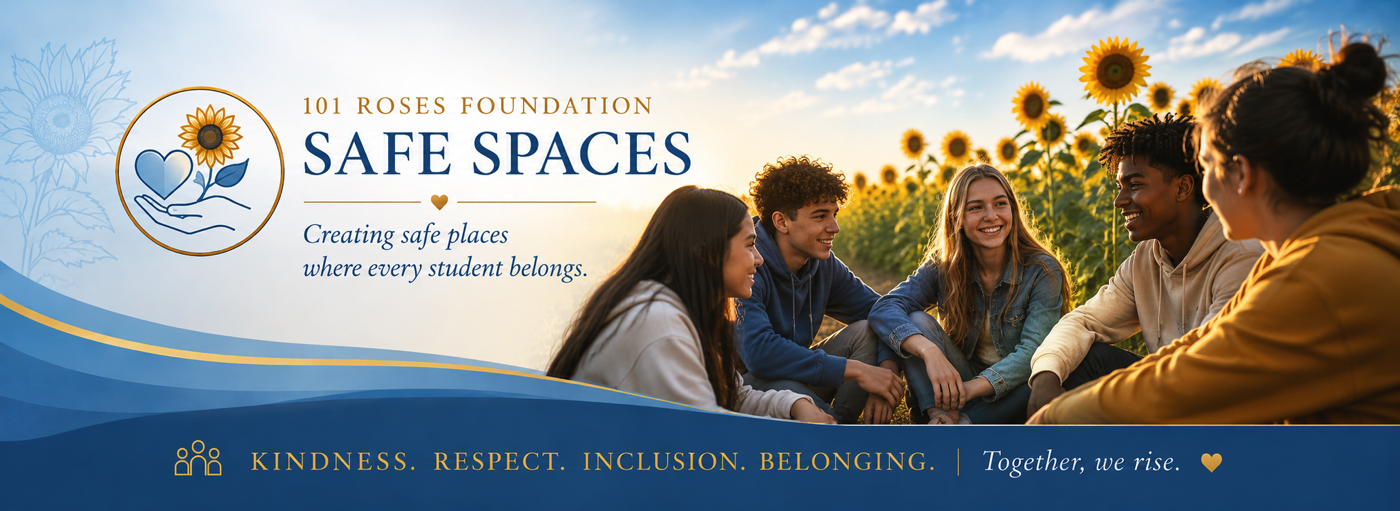
Student wellbeing is about more than academic success. It includes emotional safety, healthy relationships, belonging, confidence, resilience, inclusion, and the support young people need to learn, grow, and thrive.
Understanding Student Wellbeing
Student wellbeing refers to the emotional, social, physical, and psychological health of young people. Students who feel safe, respected, included, and supported are more likely to engage in learning, build healthy relationships, and develop confidence and resilience.
Wellbeing is influenced by many factors, including belonging, positive friendships, supportive adults, school culture, digital experiences, communication skills, and access to help when challenges arise.
The Student Wellbeing section of Safe Spaces explores practical ways students, families, educators, and communities can work together to create environments where every young person can thrive.
For additional wellbeing resources and support in Ukraine, visit How Are You? (Ти як?), a national mental health initiative supporting emotional wellbeing and open conversations.
Areas of Student Wellbeing
Student wellbeing is shaped by the relationships, environments, expectations, and supports that surround young people every day. Safe Spaces organizes these topics into practical resource areas that help students, parents, educators, and communities understand where support can begin.
These pages explore belonging, diversity and inclusion, bullying prevention, cyberbullying, digital citizenship, conflict resolution, allyship, and additional student wellbeing resources.
Belonging
Every student deserves to feel accepted, connected, and valued. Belonging is one of the strongest foundations of student wellbeing and helps create safer, healthier learning environments.
Diversity, Equity & Inclusion
Strong communities recognize, respect, and celebrate differences while ensuring everyone has opportunities to participate, contribute, and succeed.
Bullying Prevention
Creating positive school cultures helps reduce bullying and encourages respectful relationships, empathy, accountability, and support.
Cyberbullying
Online interactions can have real-world impacts. Learn how to recognize cyberbullying, respond effectively, and support safer digital communities.
Digital Citizenship
Responsible online behaviour, respectful communication, privacy awareness, and critical thinking are essential skills for today’s digital world.
Conflict Resolution
Disagreements are a normal part of life. Learning how to communicate effectively, solve problems, and manage conflict respectfully helps strengthen relationships.
Allyship
Allyship involves supporting others, standing against unfair treatment, and helping create environments where everyone feels respected and included.
Student Wellbeing Resources
Explore additional articles, educational materials, trusted organizations, and practical resources supporting student wellbeing, belonging, and inclusion.
Student Wellbeing FAQ
What is student wellbeing?
Student wellbeing refers to the emotional, social, physical, and psychological health of young people. It includes feeling safe, connected, respected, supported, and able to participate fully in school and community life.
Why is student wellbeing important?
Student wellbeing affects learning, confidence, relationships, communication, and resilience. When young people feel supported, they are more likely to ask for help, build healthy friendships, and engage positively with school.
How does belonging support student wellbeing?
Belonging helps students feel seen, accepted, and valued. A strong sense of belonging can reduce isolation and help young people feel safer speaking up when they need support.
What role do schools play in student wellbeing?
Schools help support student wellbeing by creating safe environments, encouraging respectful relationships, responding to harm early, and connecting students with trusted adults and appropriate resources.